Puzzle Games
Find your next puzzle game by choosing the kind of problem you enjoy solving. Sort colours into neat stacks, slide obstacles out of a blocked route, combine matching numbers or work out where a shape will fit. The puzzle games on BlockBlast.co.uk offer several ways to approach a board, from unravelling a fixed layout to keeping space open as new pieces arrive.
Start with the styles below, then follow a game link for its rules and play page.
Sorting puzzles: put every colour in its place
Sorting games turn a mixed arrangement into an orderly one. The interesting part is getting to the pieces underneath: a colour you need may be buried beneath several others, and your spare space can soon disappear.
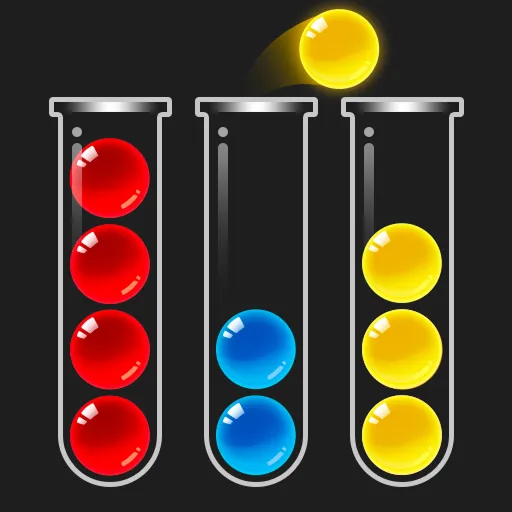
In Ball Sort Puzzle, you move coloured balls between tubes until each filled tube contains a single colour. It suits players who enjoy tracing a sequence of moves and seeing a tangled layout gradually become clear. Before filling an empty tube, look at which colour that move will uncover.
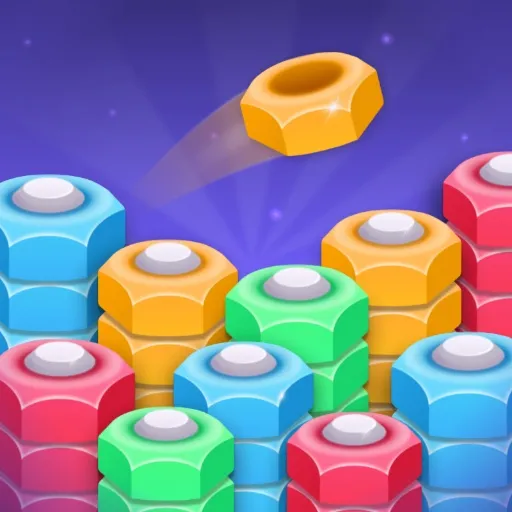
Nut Sort Puzzle: Nuts and Bolts gives the sorting challenge a different setting. Move the top nuts between bolts to build stacks of matching colours. Choose it if the idea of organising a crowded workbench appeals to you. As with the tubes, an empty bolt is useful working space: consider what you need to move next before using it up.
Sliding puzzles: work out what needs to move first
A sliding puzzle can make the goal look deceptively close. The exit is visible, but several pieces stand between you and it. Progress often starts by moving something away from the goal so another piece has room to pass.
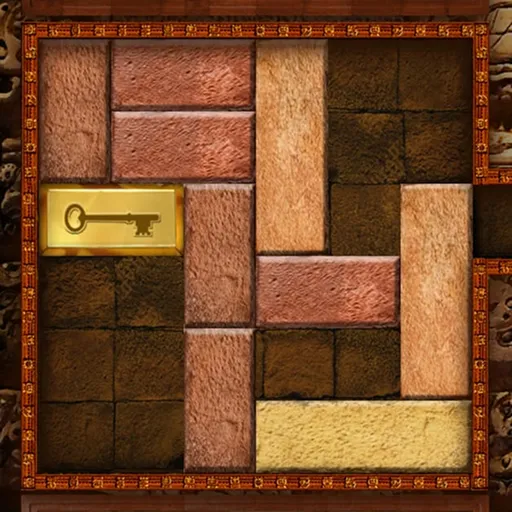
Free The Key centres on clearing a route for a trapped key. Horizontal obstacles slide sideways, and vertical ones move up and down. Start with the piece blocking the key, then trace what prevents that obstacle from moving. This is a good choice if you like solving one connected spatial problem.
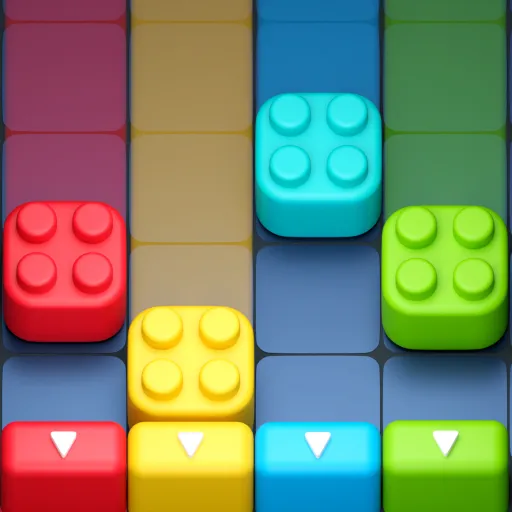
Color Block Jam asks you to guide coloured blocks to matching exit doors. The extra consideration is the order in which you open routes for different pieces. Choose it when you want to untangle several paths across a crowded board rather than focus on a single escape route.
Number puzzles: build the next merge
Number puzzles here are about recognising matches and planning where they will happen. A useful move does more than combine the pieces in front of you; it leaves the result somewhere you can use it again.
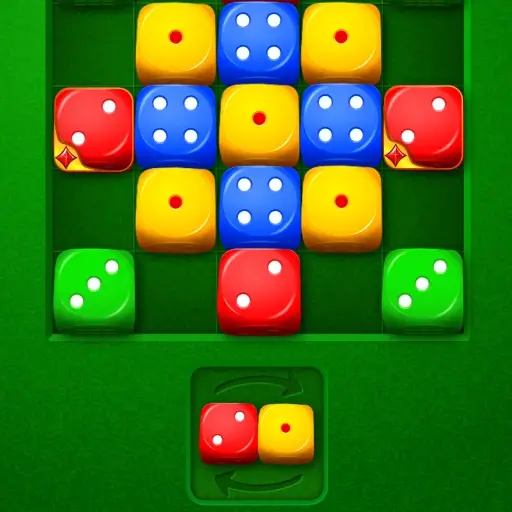
In Dice Puzzle, you place dice on a grid and bring together three or more matching values to form a higher-value die. The dice can arrive singly or in joined pairs, so you need to consider their shape as well as their numbers. Try it if you enjoy finding room for a piece while setting up its next match.
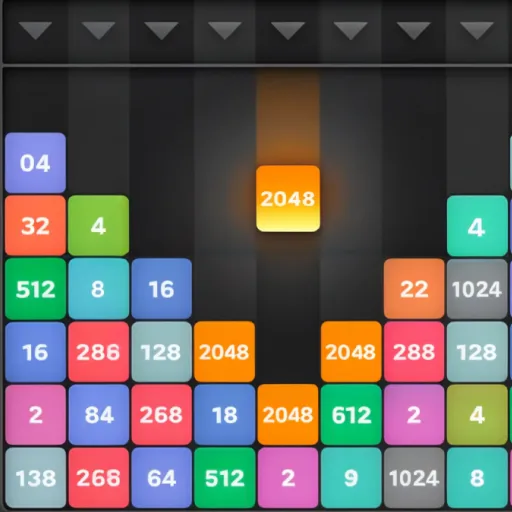
Drop The Number: Merge Game shifts the challenge into columns. Drop numbered tiles into lanes and combine identical values into larger numbers. Your choice of column matters because each placement changes both the available matches and the height of the stack. Look beyond the easiest immediate merge to see where the resulting tile will sit.
Colour matching: choose your shot or placement
Matching colours can involve more than spotting a pair. These games ask you to think about how a new piece reaches a group and what clearing that group will leave behind.
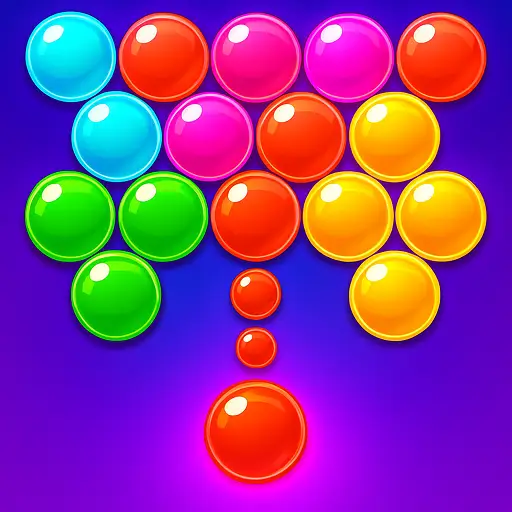
Bubble Shooter combines aiming with colour matching. Fire bubbles towards the hanging formation and connect three or more of the same colour to clear them. It is a useful starting point if you enjoy judging angles as well as planning matches. The route to a promising cluster matters just as much as its colour.
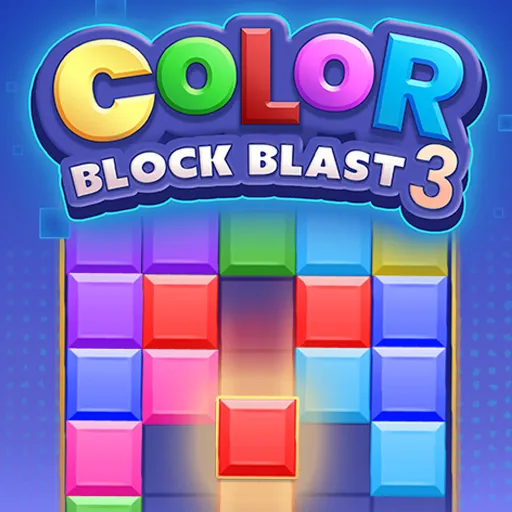
Color Block Blast 3 uses blocks arriving on a moving conveyor. Place them into columns to form groups of matching colours. Choose this if you want the added pressure of an incoming supply while deciding where each colour belongs.
Block placement: find room for the next shape
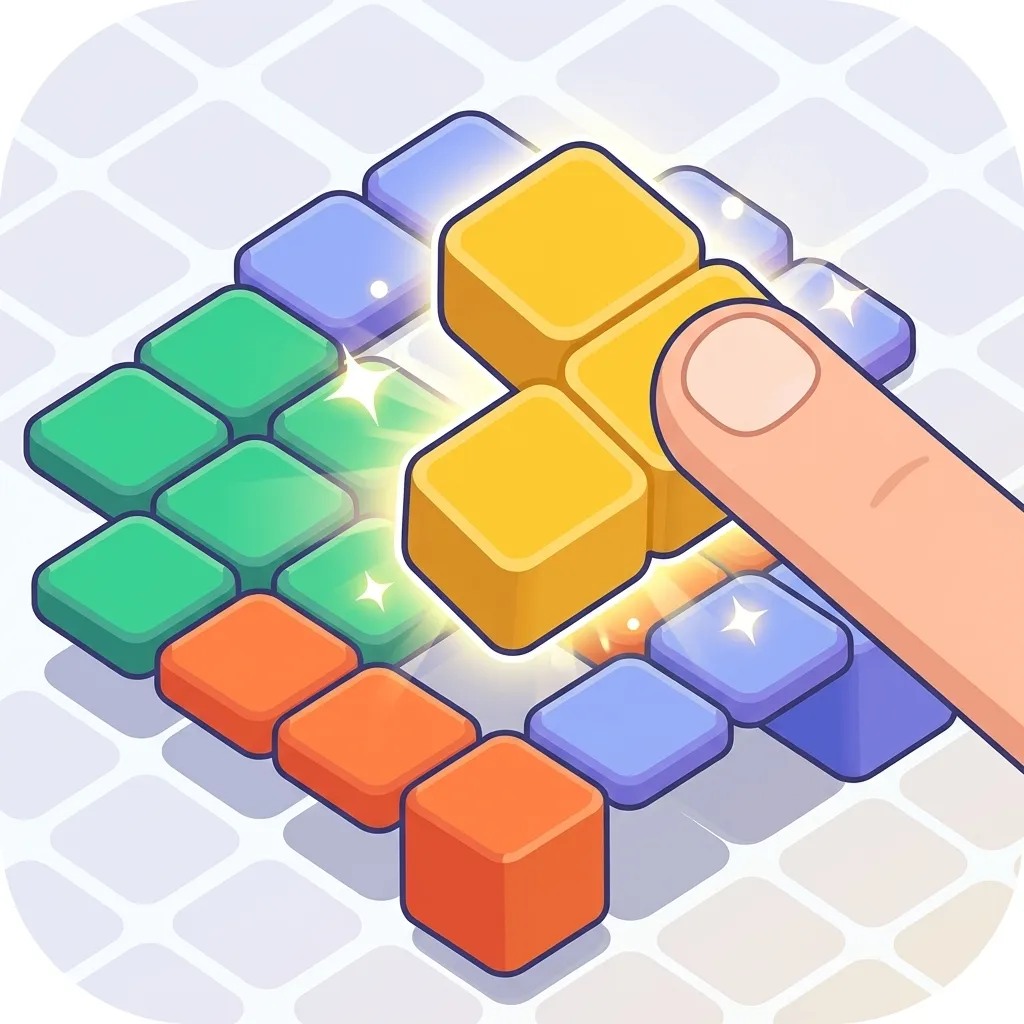
If fitting shapes together is your favourite part, the line-clearing games offer another route into the collection. You place blocks into open spaces and complete rows or columns to make room.
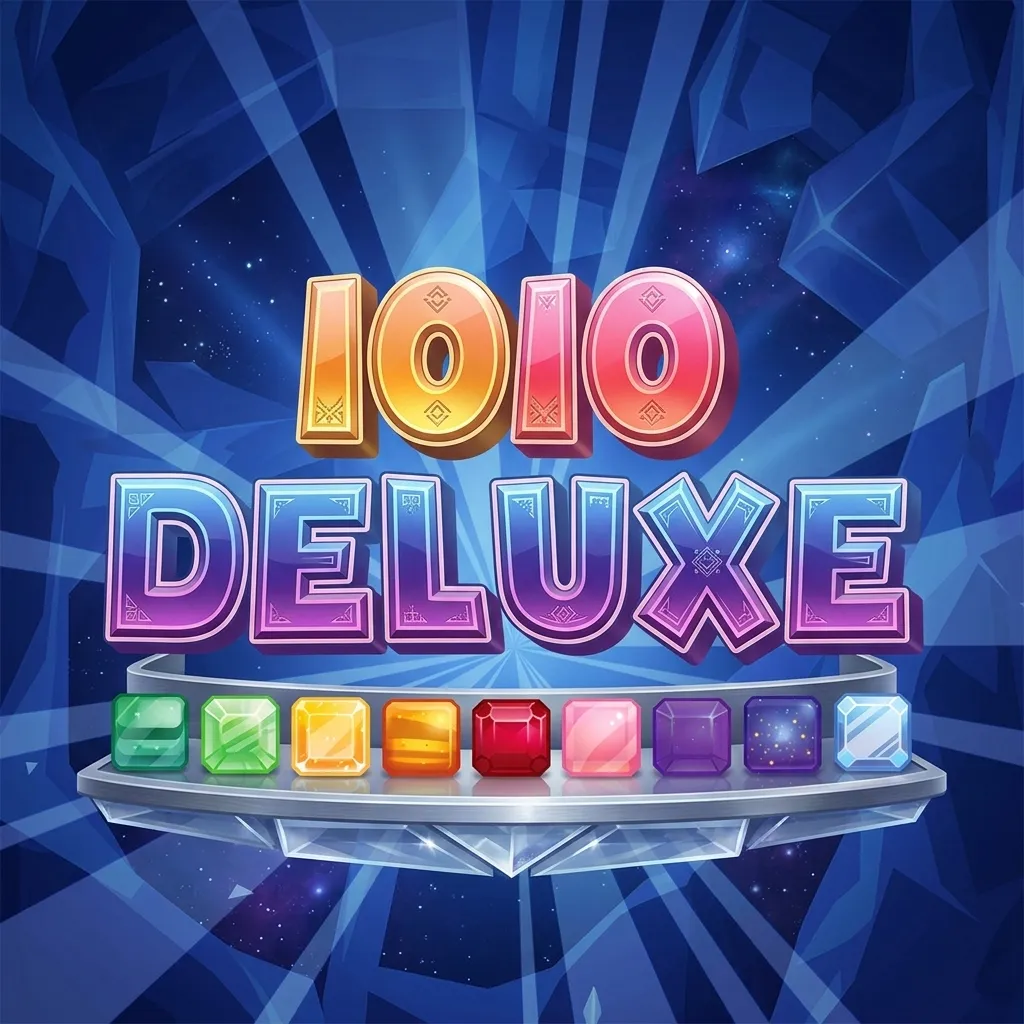
1010! Deluxe uses a 10×10 board, while 11-11 Puzzle expands the layout to 11×11. More squares give you a different space to work with, but complete lines also need to stretch further. Choose between them according to the board size you want to explore.
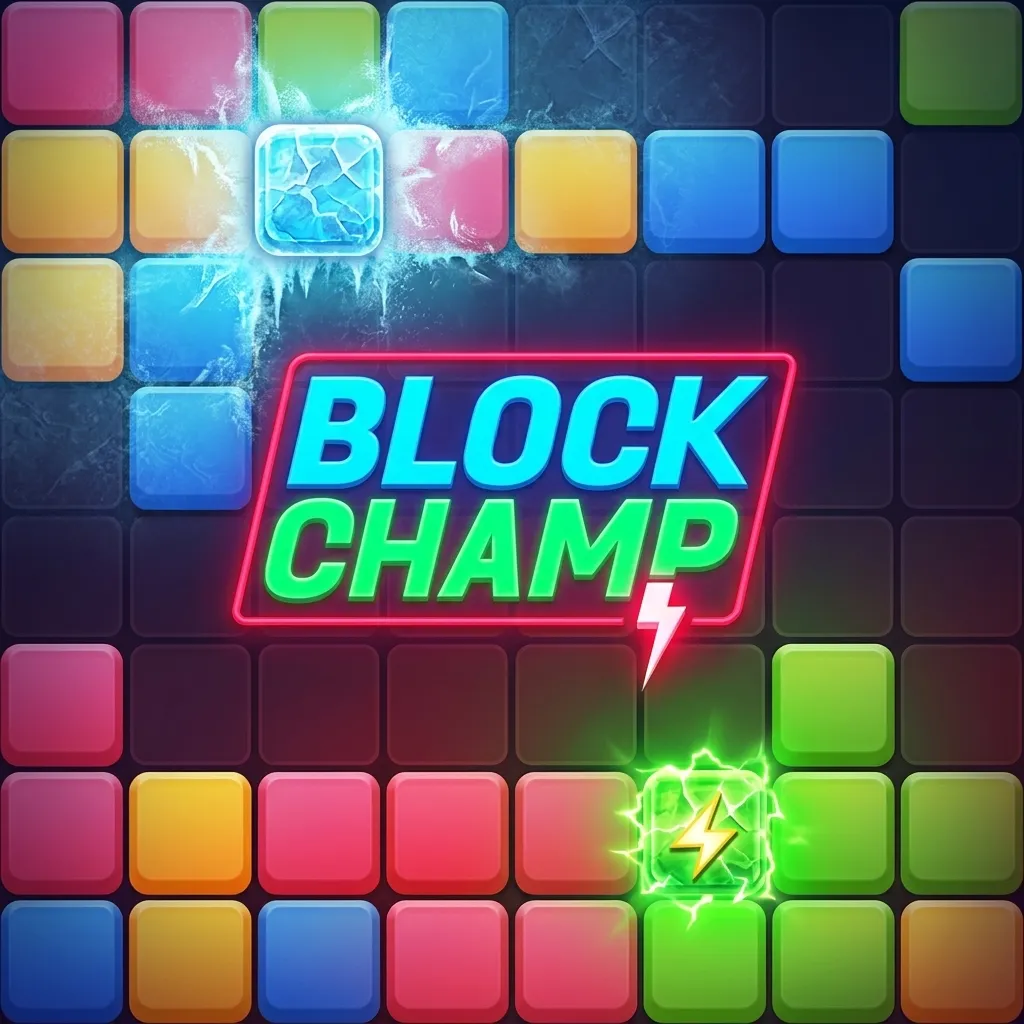
Block Champ adds ice and lightning tiles to the line-clearing format. For the site’s namesake game, open Block Blast and its dedicated guide. You can also explore the Blocks Games collection when you want to stay with shape-based puzzles.
Choose a puzzle by its goal.
For a layout to put in order, start with sorting. For a route to uncover, try sliding. If you enjoy building towards the next combination, choose a number merge or colour-matching game. And if you prefer making a useful space out of awkward gaps, start with block placement.
Whichever style you choose, ask one question before committing to a move: what will this let me do next? That might mean uncovering a ball, freeing a passage or leaving room for another shape.