
Blocks Games
Find a block game that suits the way you like to play. Fill rows with carefully placed shapes, combine numbered tiles, match colours or slide obstacles out of a crowded board. The Blocks Games collection brings these different challenges together, with a choice between building a score and solving a particular layout.
Start with the action you enjoy most: placing, matching, merging or sliding. Each puts a different demand on the space in front of you.
Place shapes and clear lines
In these games, an empty square is useful only if your next shape can reach it. Fit pieces onto the grid and complete horizontal rows or vertical columns to make room. The challenge is keeping enough connected space for the pieces still waiting to be placed.
Block Blast: start with the line-clearing idea
Block Blast centres on placing shapes and clearing complete rows and columns. Use it as a starting point if you want to get familiar with reading a block grid: look at the pieces available, find a possible clear and consider the gaps your move will leave behind.
1010! Deluxe: plan the whole set
1010! Deluxe uses a 10×10 board and presents three shapes at a time. You need to place the full set before receiving the next one, so the order matters. It is a good choice if you enjoy working out how several pieces fit together before making your first move.
11-11 Puzzle: work with a wider board
11-11 Puzzle gives you an 11×11 grid to fill. That extra space changes the planning: there is more room to arrange shapes, but a complete line also takes more filled squares. Try it if you like the line-clearing format and want a different board size to think around.
Block Champ: account for ice and lightning
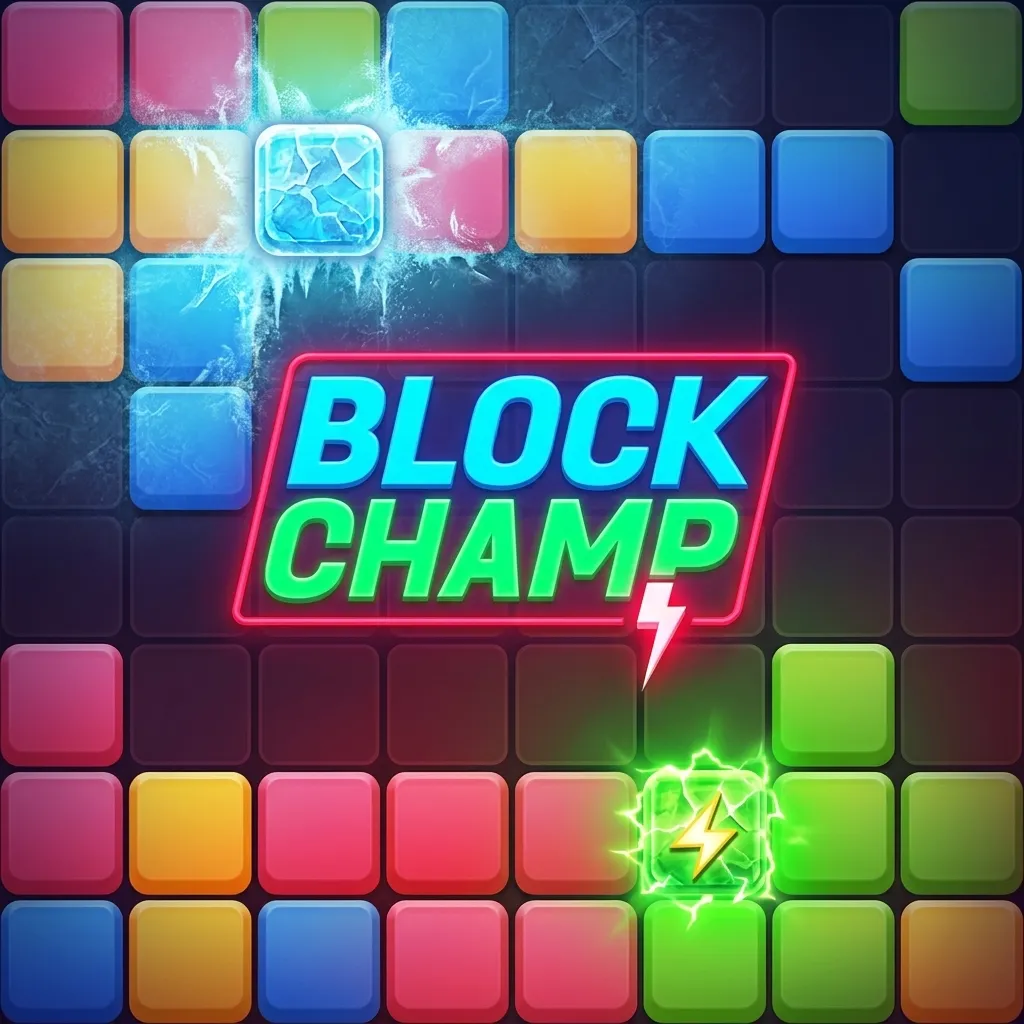
Block Champ adds special tiles to a 10×10 line-clearing puzzle. Frozen tiles need their line cleared twice before they disappear, while two lightning tiles in one line clear it immediately. Choose this when you want more to consider than a shape’s footprint: the tiles inside it can change which placement is useful.
Match colours while blocks keep arriving
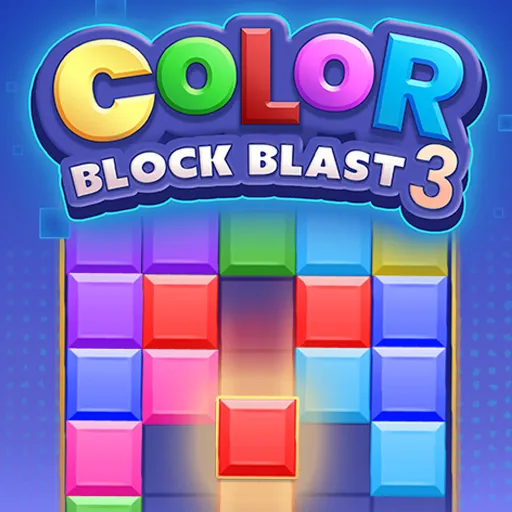
Color Block Blast 3 feeds coloured blocks along a conveyor. Place them into columns to connect groups of three or more matching colours. The moving supply gives you another job alongside arranging the board: keeping up with the incoming pieces.
This is a choice for players who want a busier rhythm than planning a set of shapes. Pay attention to both the next colour and the space available in each column. A promising match is less helpful if the surrounding pile leaves nowhere useful for the following block.
Merge numbers instead of completing rows.
Number-merging games use blocks as values to combine. You are looking for the right neighbours, rather than filling every square in a line.
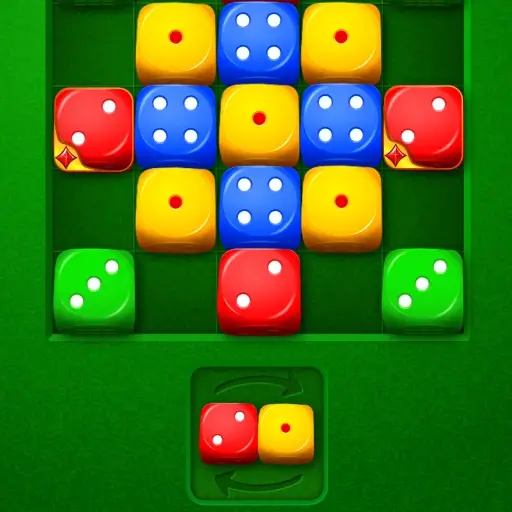
In Dice Puzzle, place dice on the grid and connect three or more with the same value to merge them into a higher-value die. Pieces can arrive singly or in pairs, and rotation helps you line them up. Choose this if you like arranging pieces by hand while also planning which numbers should meet.
Drop The Number: Merge Game makes the column your main decision. Drop numbered blocks into lanes and combine matching values to create higher numbers. Watch the height of the stacks as well as the merge you want: a column full of mismatched blocks leaves fewer useful places for the next drop.
The difference is in placement. Dice Puzzle asks where a piece fits on the grid; Drop The Number asks which stack should receive it.
Slide blocks to open an exit
Sliding-block puzzles begin with a board to untangle. Your job is to rearrange what is already there until a route opens.
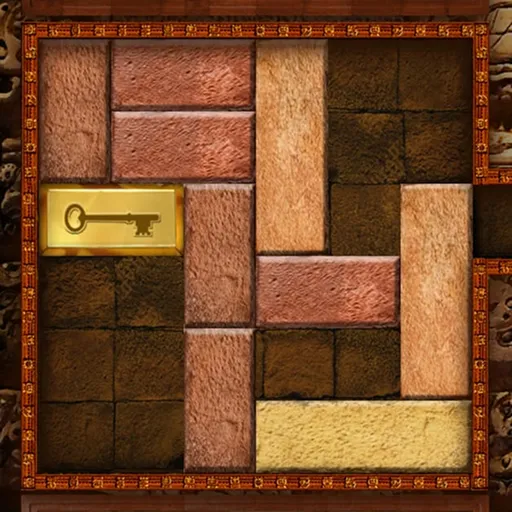
Free The Key gives you a clear target: move the obstructing blocks so the key can reach the exit. Horizontal pieces slide sideways, and vertical pieces move up and down. Choose it if you enjoy working backwards from a goal, tracing which obstacle must move before the next one can shift.
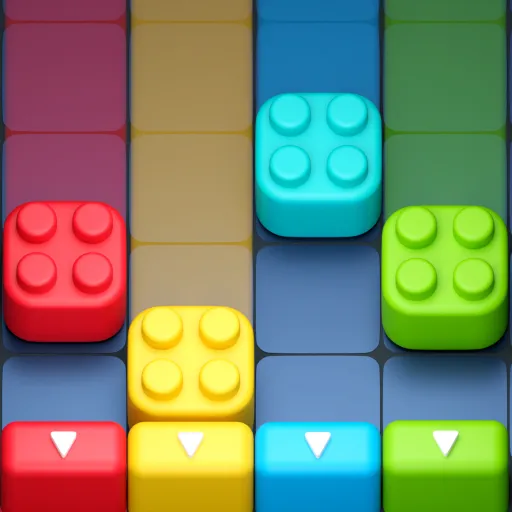
In Color Block Jam, guide coloured blocks to their matching exit doors. You need to consider several routes across the same crowded board. It suits players who enjoy deciding which piece should leave first and how that departure will make room for the others.
Make your next move count.
Before moving a block, look at what the move will make possible. The question changes with the game:
- Placing shapes: will the pieces still waiting have somewhere to fit after this move?
- Matching colours: can you build the next group without crowding the columns around it?
- Merging numbers: will the new value have a useful match nearby?
- Sliding blocks: does this move open a route, or move the obstruction somewhere else?
For shape-placement games, count useful spaces rather than empty squares. A long gap, a broad opening and several isolated holes offer very different options. For sliding puzzles, look beyond the piece nearest the exit: another block may need to move first to give it room.
Pick a game above to explore its rules and start a round. For a wider choice beyond block placement, merging and sliding, browse the Puzzle Games collection.